

Last updated September 10, 2026
Full 25-point door and opener safety check with every visit - springs, cables, rollers, tracks, and your LiftMaster or Chamberlain opener included
You get a price before we start. It does not change when the truck arrives.
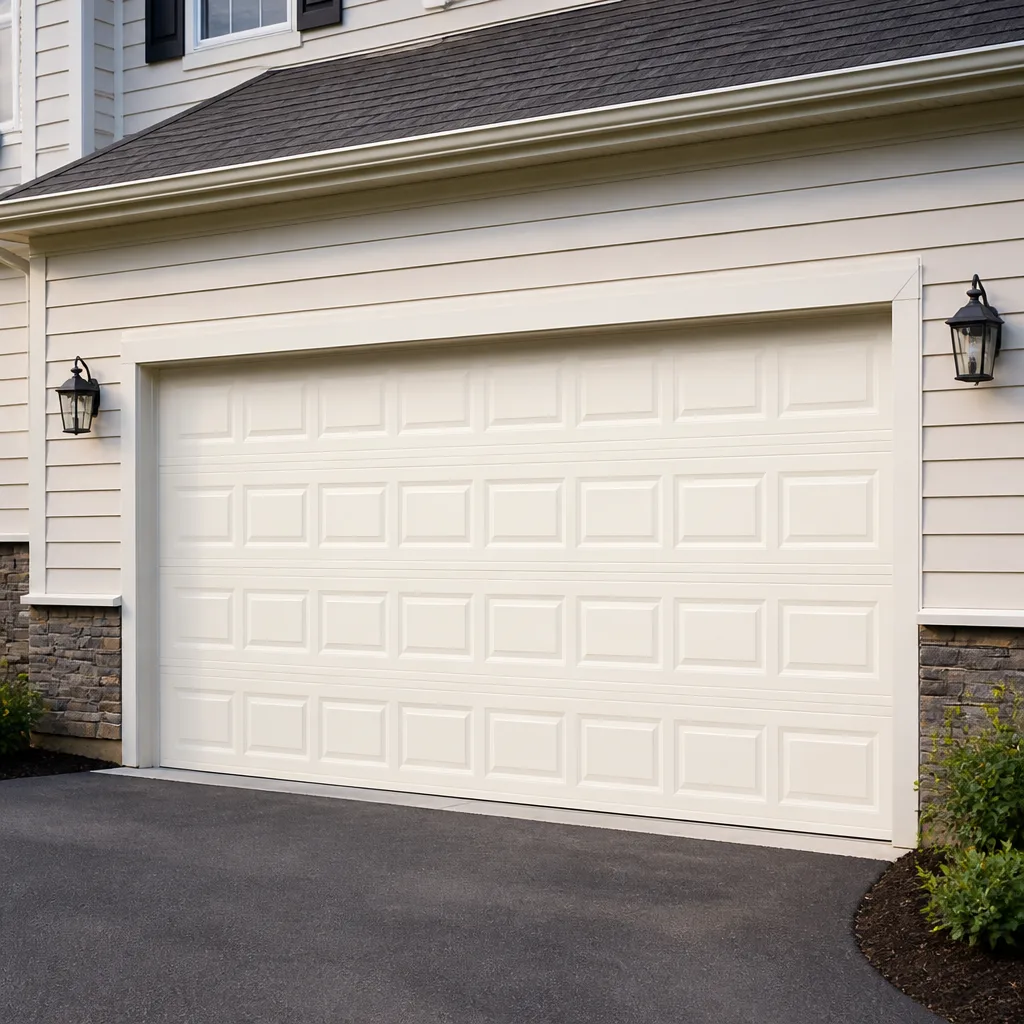
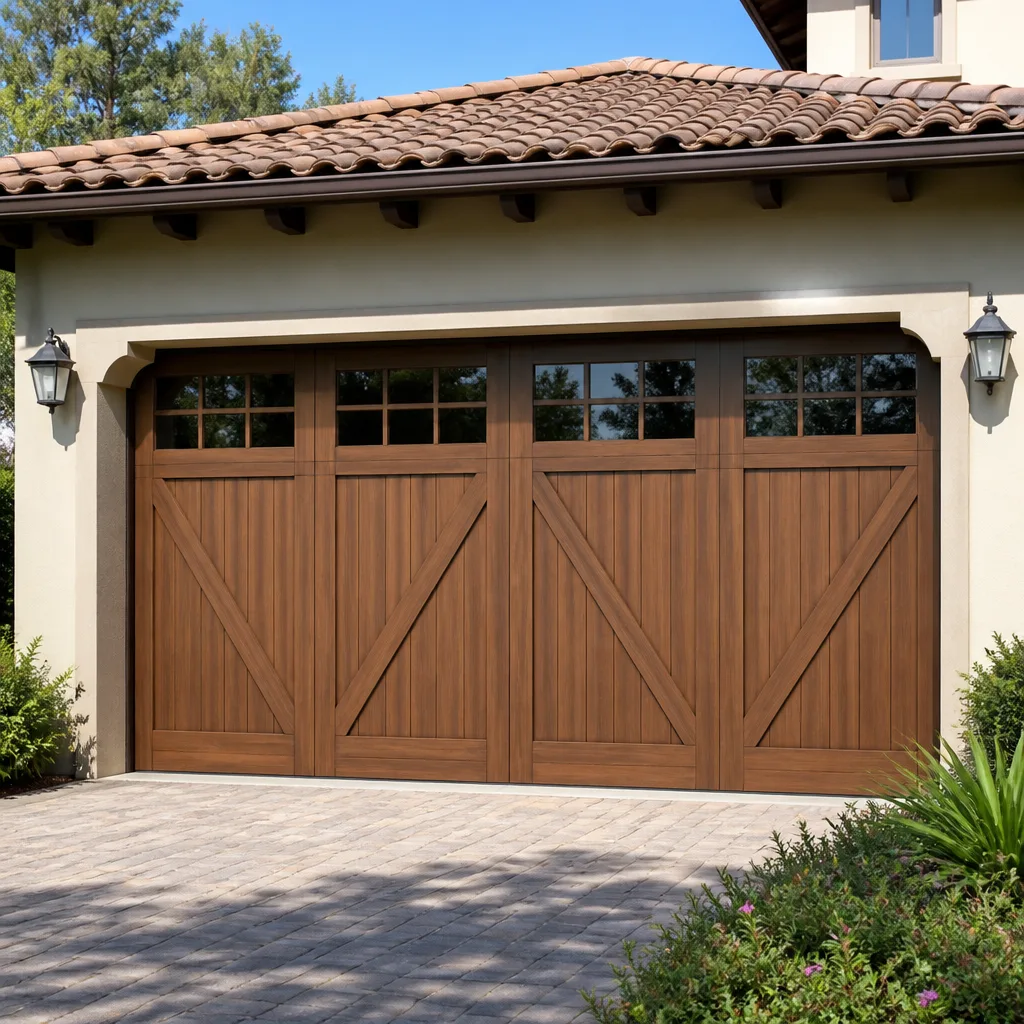
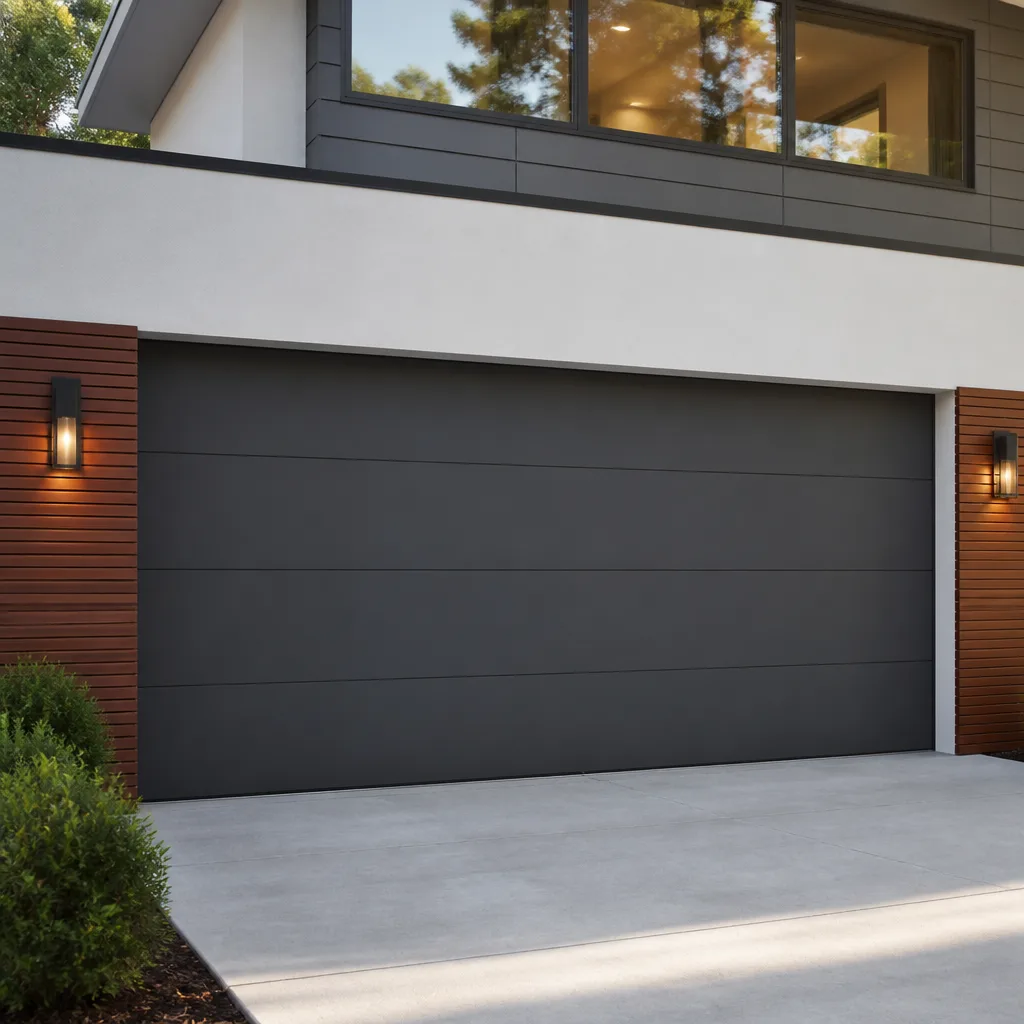
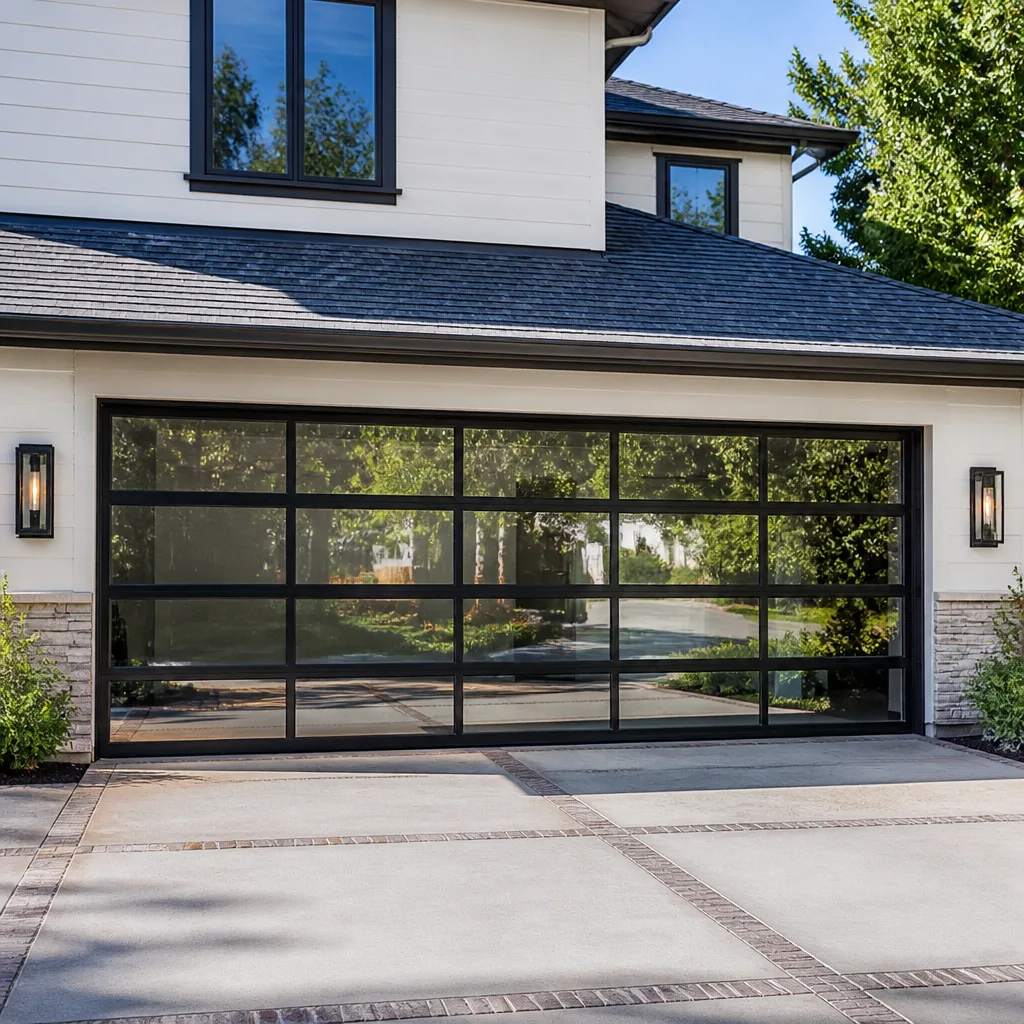
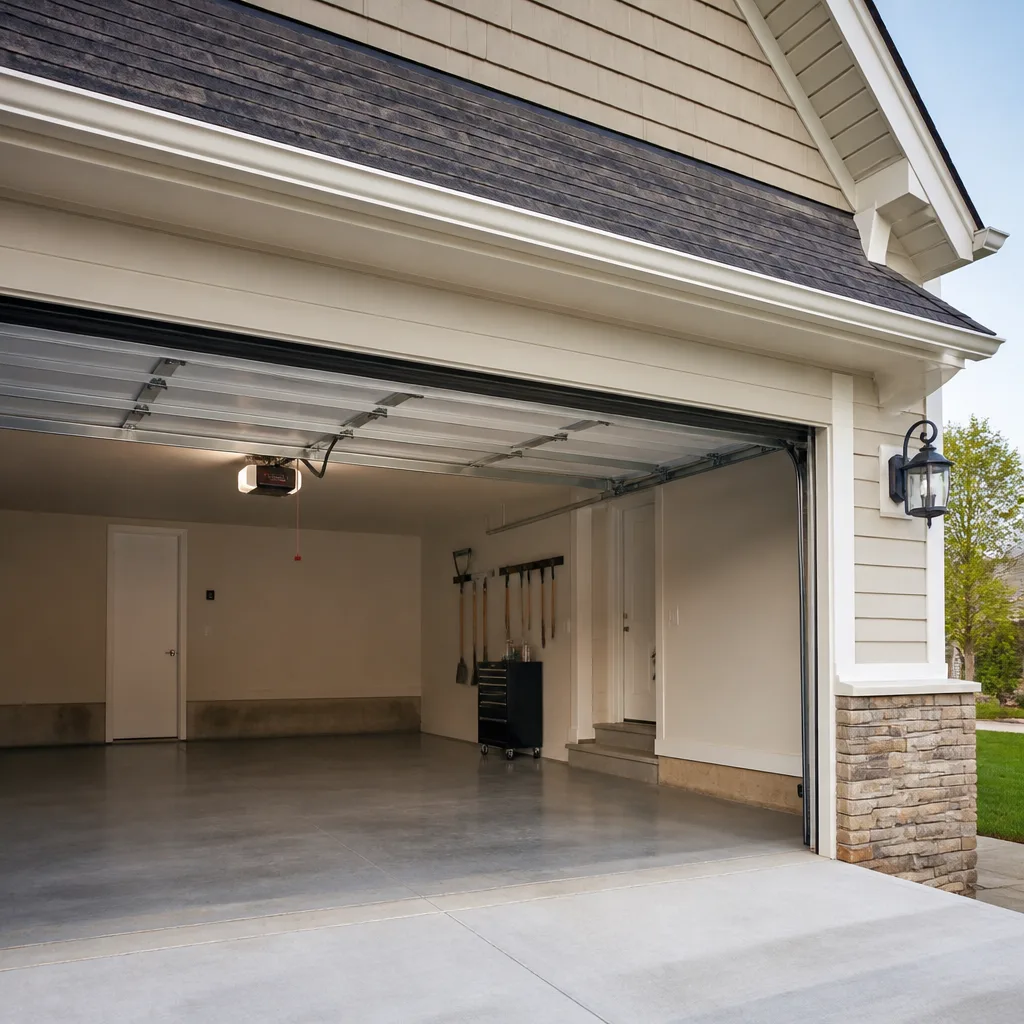
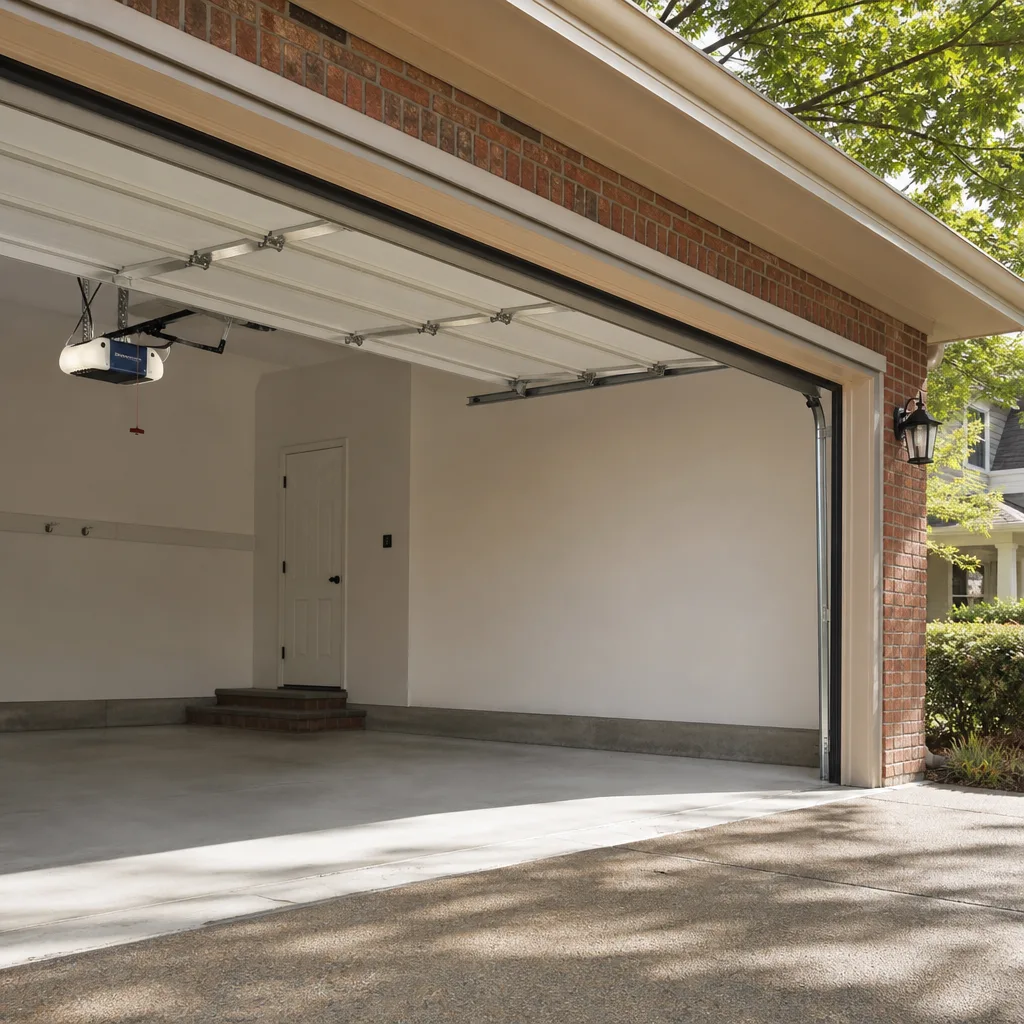
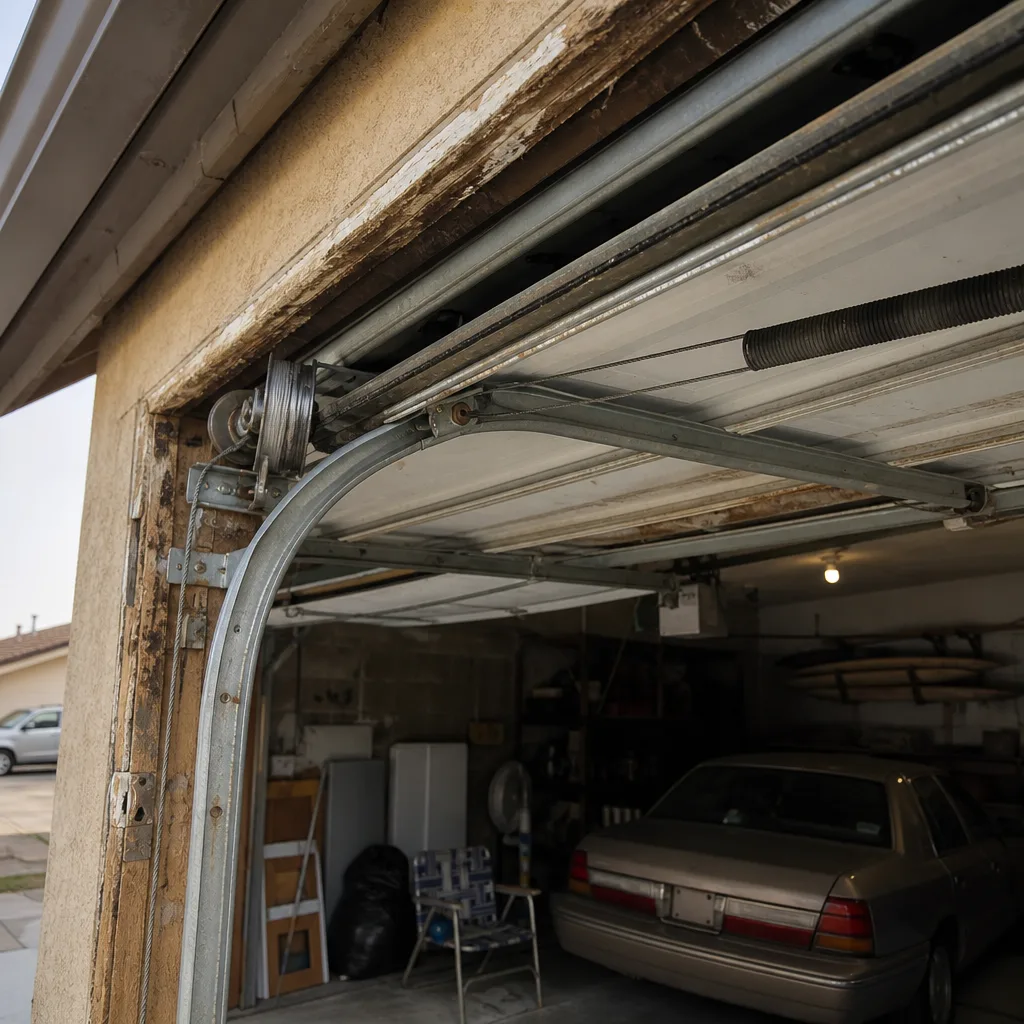 Before
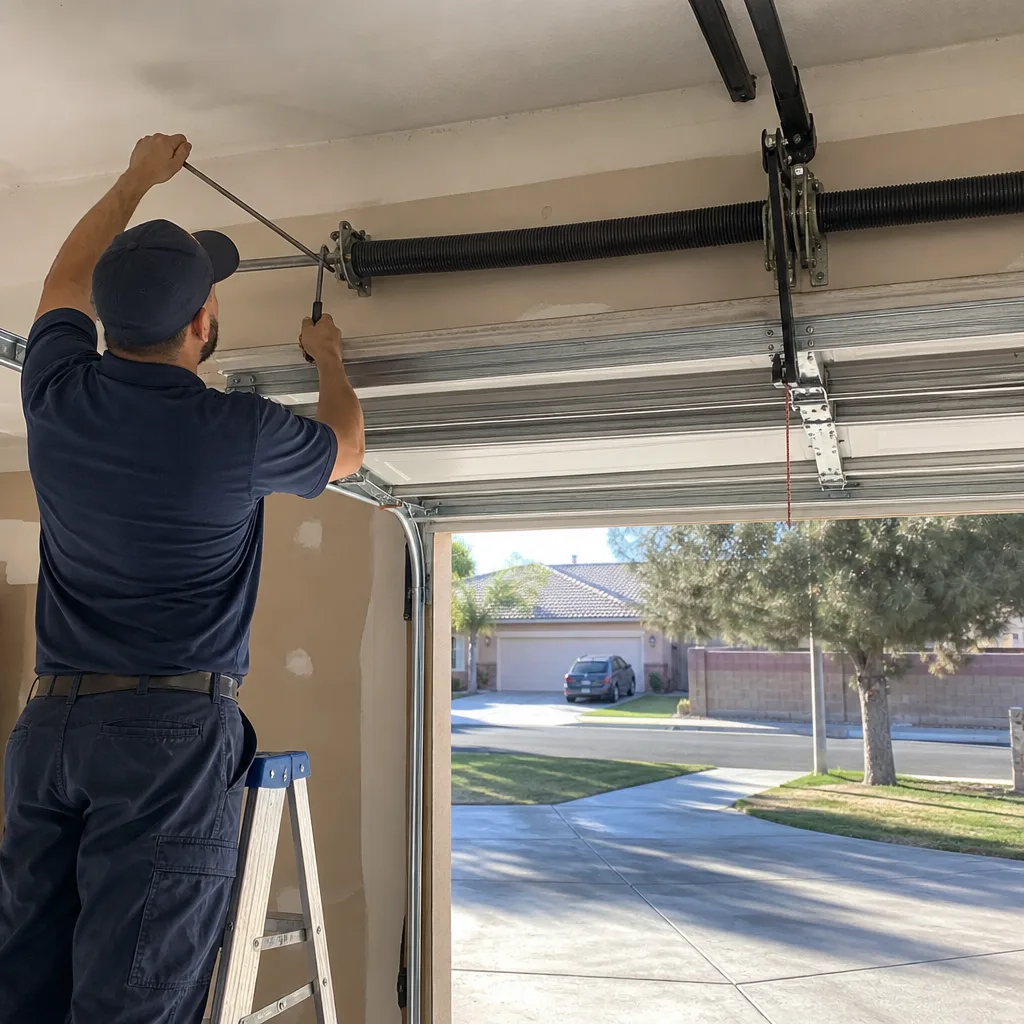 After
After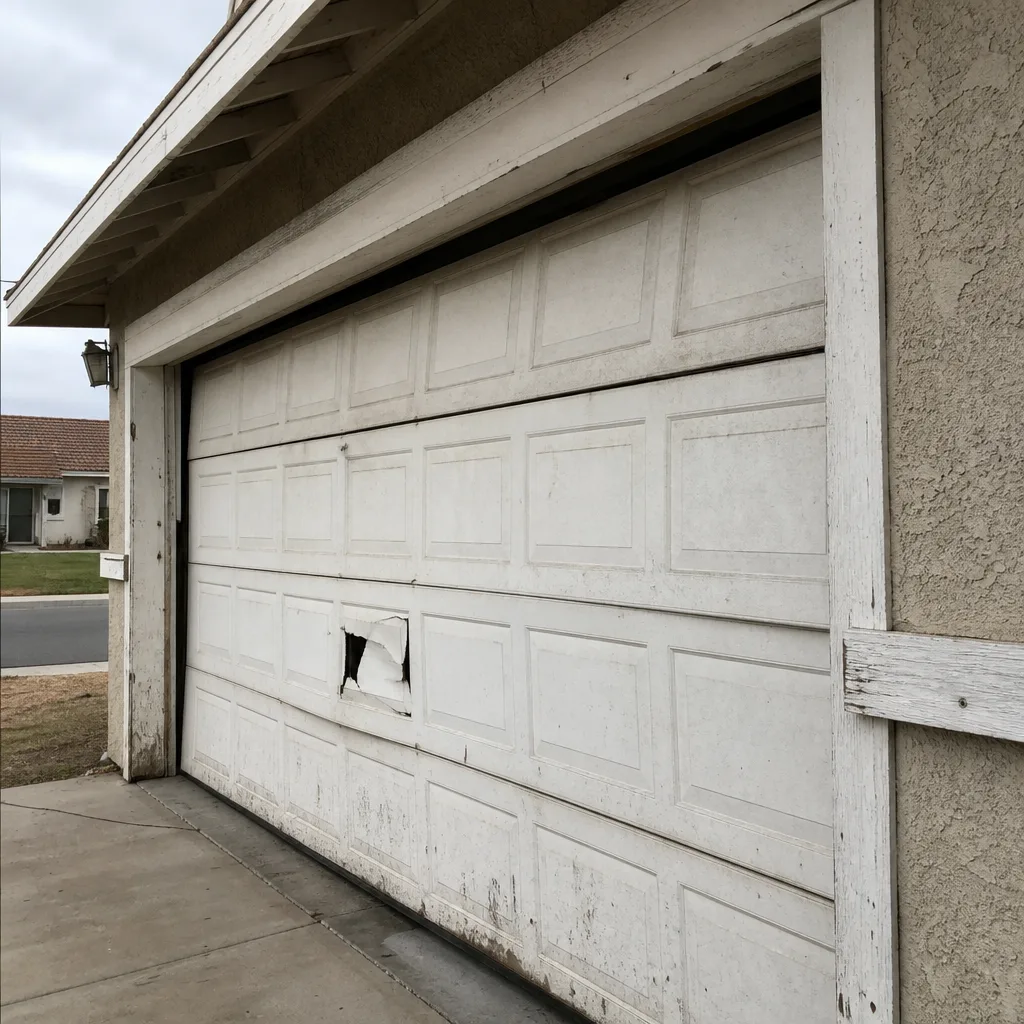 Before
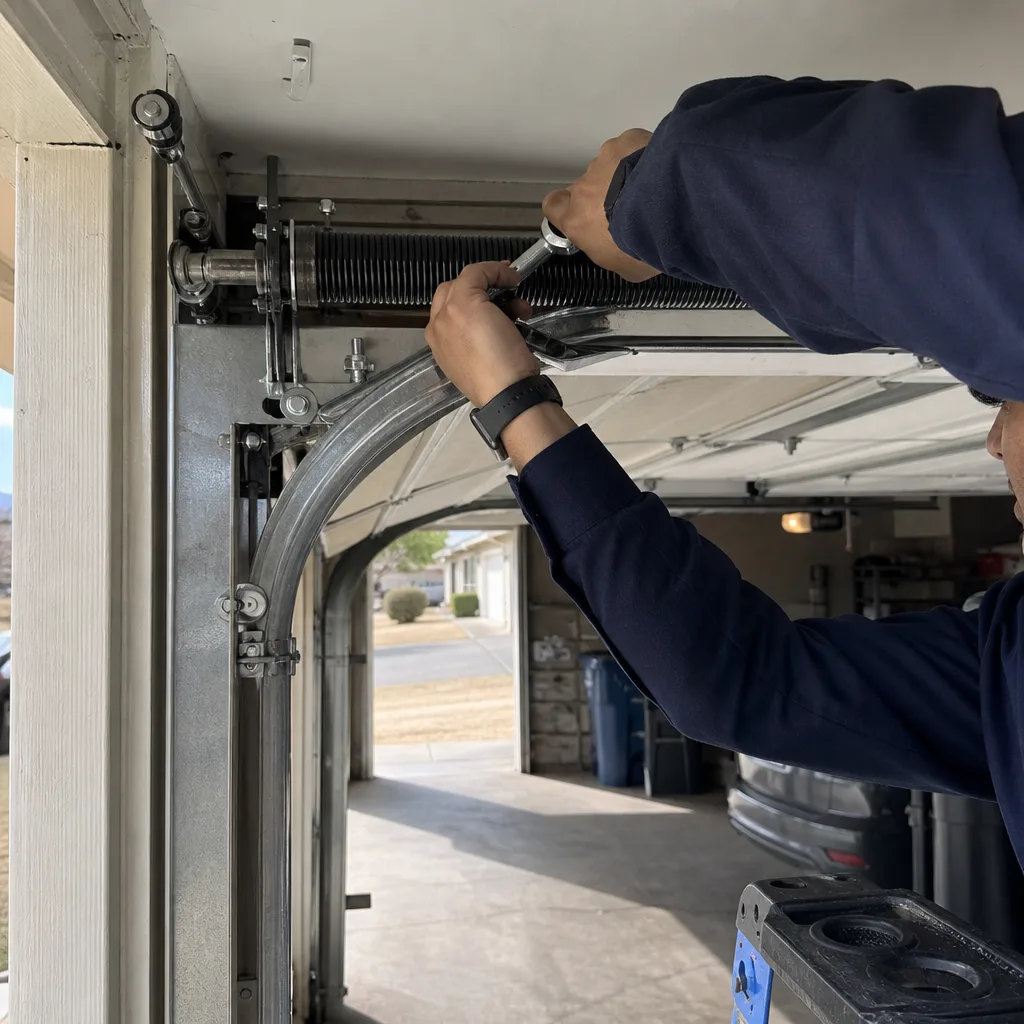 After
After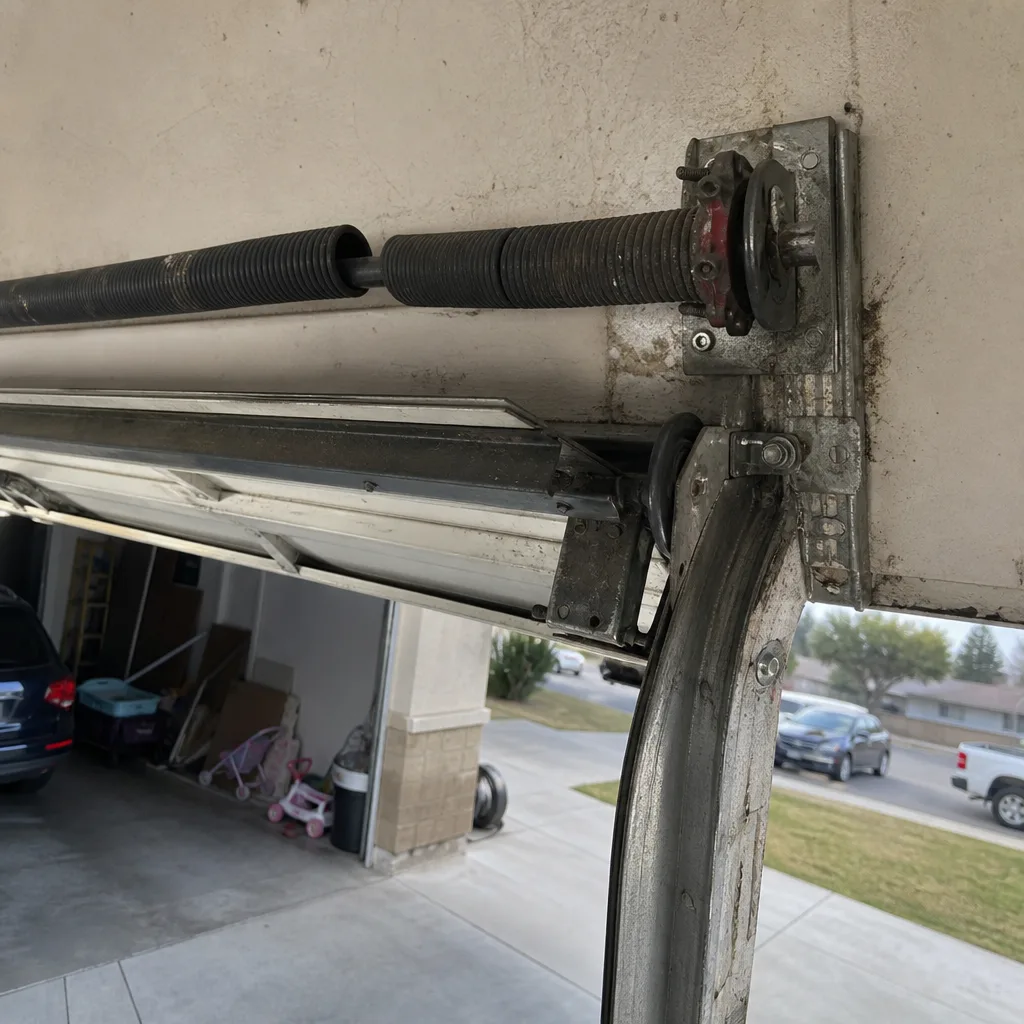 Before
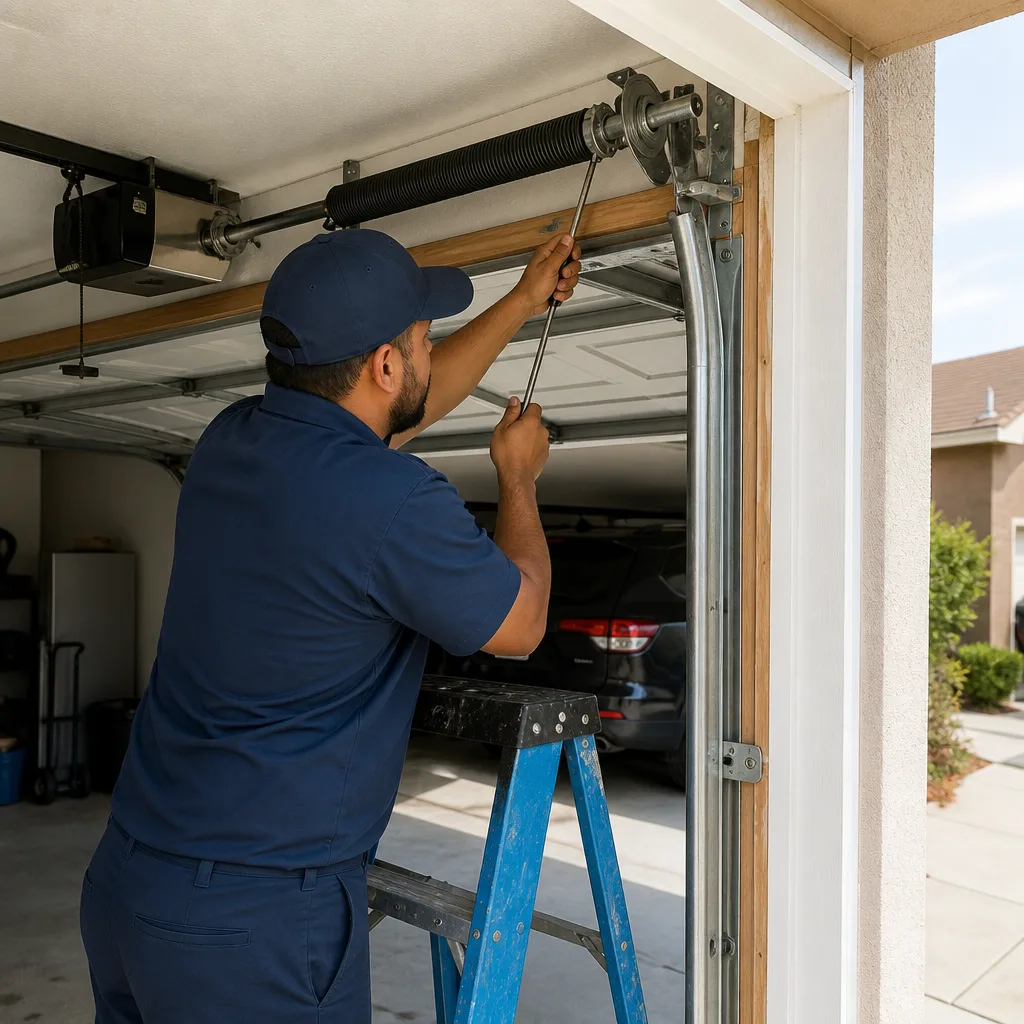 After
AfterThe Complete Guide to Garage Door in Palmdale
Every August, the phone at Otto’s Garage Door rings with the same story: a Palmdale homeowner opens their garage at 6 a.m., the door goes up six inches, shudders, and stops. They call us thinking the opener died. It didn’t. The steel track absorbed so much heat from the day before that it expanded just enough to pinch the rollers, and the safety sensor read that pinch as an obstruction. That’s not a garage door problem you’ll find in a national troubleshooting guide or among our more guides & resources. It’s an Antelope Valley problem, and this guide maps exactly what Palmdale houses face, door type by door type, so you can stop guessing and start fixing the right thing the first time.
Quick Answer
A garage door in Palmdale has to survive three things most of America never deals with: triple-digit summer heat that warps seals and expands metal, high-desert wind that pushes against a 16-foot sail every afternoon, and dust fine enough to choke roller bearings in a single spring season. The right door for this city is a two-inch-thick insulated steel door with nylon rollers, a wind-rated track system, and quarterly maintenance you can do in fifteen minutes. Replace your springs before they snap, keep your tracks clean, and a quality door lasts fifteen to twenty years here, not the eight to ten a cheap big-box door manages.
Table of Contents
- How Palmdale’s Climate Breaks Garage Doors
- Steel vs. Fiberglass vs. Wood in the High Desert
- Wind Load: What the Valley Floor and Hillside Homes Actually Need
- Dust, Tumbleweeds, and Seals: The Maintenance Nobody Tells You About
- The 1990s Palmdale Boom: Rough Openings and Track Gauge Mismatches
- What a Garage Door Costs in Palmdale and How Long It Actually Lasts
- Seasonal Maintenance Calendar for Antelope Valley Homes
- Common Mistakes to Avoid
- When to Call a Professional
- Frequently Asked Questions
- The Bottom Line
How Palmdale’s Climate Breaks Garage Doors
Palmdale sits at 2,600 feet in the Antelope Valley, which means we get the worst of both worlds: desert heat without the coastal fog that keeps Los Angeles mild, and winter nights that dip below freezing and crack materials that spent all day baking. A garage door in Palmdale can swing sixty degrees in a single day. Metal expands. Vinyl gets brittle. Lubricant evaporates. The failure pattern we see most in this city follows a specific rhythm.
Here’s what actually happens throughout the year in Palmdale:
- Summer (June to September): Daytime temperatures hit 100°F to 110°F regularly, and the south-facing garage doors in neighborhoods like Ana Verde and Rancho Vista absorb that heat for hours. The bottom seal, made of rubber or vinyl, softens and deforms. The metal track expands and can shift alignment by a fraction of an inch, which is enough to make the door hesitate or bind. Springs lose tension faster in heat because the metal fatigues more quickly under constant thermal cycling.
- Fall (October to November): The Santa Ana winds arrive. Gusts of 40 to 60 mph are common on the valley floor, and hillside homes above Palmdale see stronger. A door with worn hinges or loose track bolts will rattle, bow, and eventually tear itself apart if it isn’t reinforced.
- Winter (December to February): Overnight lows regularly drop into the 20s. The vinyl weatherstripping that was soft in July is now rigid and cracks when the door moves. Metal contracts, which sometimes makes a door that was binding in summer suddenly move freely, but the seals are the first casualty.
- Spring (March to May): This is the sneaky season. The wind picks up again, the temperature swings widen, and all the small damage from summer and winter compounds. Torsion springs that were already weakened snap without warning. We replace more springs in April and May than any other time of year in Palmdale.
If you live in Palmdale and your door worked fine six months ago but now grinds, sticks, or won’t seal, the climate did something to it. The good news: most of these failures are predictable and preventable with the right door and a maintenance schedule built for high desert conditions, not coastal California.
Steel vs. Fiberglass vs. Wood in the High Desert
Every national garage door guide will tell you steel is durable, wood looks nice, and fiberglass is lightweight. None of that is wrong, but it’s incomplete. In Palmdale, the deciding factor isn’t durability in general; it’s UV resistance, thermal stability, and wind performance. Here’s what we actually see on houses in Palmdale.
Steel Doors: The Workhorse for Antelope Valley
A quality steel door, meaning 24-gauge or 25-gauge steel with a polyurethane foam core, is what we install most often in Palmdale. It holds up to the UV because the factory finish is baked on, and the foam core keeps the garage about ten to fifteen degrees cooler in July. The drawback: cheap steel doors, the kind sold as a “contractor pack” at home improvement stores, use 27-gauge or thinner steel that dents when a tumbleweed hits it at forty miles an hour. We’ve replaced doors in Palmdale that looked like golf balls after two windy seasons. Amarr and Wayne Dalton both make excellent insulated steel lines that survive Palmdale’s wind and heat consistently better than the big-box options, and Clopay’s polyurethane-core models hold their shape well in the valley’s thermal swings.
Fiberglass Doors: The UV Surprise
Fiberglass seems like it should be perfect for Palmdale because it doesn’t rust and doesn’t warp like wood. The problem is the sun. Palmdale’s UV index in summer sits in the “very high” to “extreme” range for weeks at a time, and gel-coat fiberglass fades and gets chalky fast. We see fiberglass doors in Palmdale that look weathered to the point of embarrassment after five years. They also flex under wind load, and a flexing door means misaligned tracks and premature roller wear. If your garage faces west and you like the idea of fiberglass, plan on recoating a gel finish or accept that it will look ten years old in three.
Wood Doors: Beautiful, But High-Maintenance in the Desert
Solid wood doors are gorgeous and we install them on custom lots in Palmdale where the architecture calls for it, but they demand a specific commitment in this climate. The dry air pulls moisture out of the wood, the heat accelerates it, and unless the door is sealed on all six sides including the bottom edge, it will warp and crack. Wood also expands and contracts more dramatically than steel with Palmdale’s temperature swings, which means the door’s weight shifts and the spring balance changes. A wood garage door in Palmdale needs refinishing every two to three years, not the five to seven a coastal home might get away with. If you’re not prepared for that maintenance, steel with a wood-grain embossed finish gives you the look without the upkeep.
The straight answer: for ninety percent of Palmdale homes, an insulated steel door from a brand like Amarr, Wayne Dalton, or Clopay is the best combination of heat performance, wind resistance, and long-term value.
Wind Load: What the Valley Floor and Hillside Homes Actually Need
The Antelope Valley is one of the windiest inhabited regions in Southern California. The wind comes down off the Tehachapi Mountains, funnels through the Soledad Pass, and hits Palmdale with enough force to tip semis on Highway 14. Your garage door is the largest opening on your house, and when wind hits it, the force is measured in pounds per square foot against a panel that can be sixteen feet wide. If the door isn’t built and reinforced for that load, the wind wins.
What wind load actually requires in Palmdale depends on where your house sits:
- Valley floor neighborhoods like central Palmdale, Desert View Highlands, and the older tract home areas east of the 14 Freeway see the strongest sustained winds, because there’s nothing to slow the air down. A door installed on these homes should have reinforced stiles (the vertical supports inside each panel), a heavier-gauge track system, and struts bolted across the interior face of the door. We see doors without struts bow inward six inches during a Santa Ana event. That bow permanently warps the panels.
- Hillside and foothill homes in areas like Anaverde, Rancho Vista, and the subdivisions off Pearblossom Highway get gustier, more turbulent wind. Gusts hit from changing directions, which applies torque to the track system, not just direct pressure on the panels. These doors need reinforced horizontal track, heavier hinges, and double-end stiles at the top and bottom sections.
Most garage door manufacturers rate their doors for wind load using standard building code categories. In Palmdale, the effective design wind speed on exposed lots is comparable to hurricane-prone coastal zones, which surprises homeowners. Ask for a wind-load-rated door and a track system with reinforced brackets. A garage door installation in Palmdale done right includes all of this without a premium price tag if you work with a local shop that knows what the wind here actually does.
Dust, Tumbleweeds, and Seals: The Maintenance Nobody Tells You About
Palmdale sits on the edge of the Mojave, and the Mojave is always moving. Fine dust, the kind that gets into everything, blows across the valley floor constantly. Tumbleweeds roll down residential streets like they own the place. Both of them end up in your garage door, and neither shows up on a standard maintenance schedule.
Here’s what we find when we open up a Palmdale garage door that hasn’t been serviced in a year or more:
- Roller bearings packed with grit. The dust here is fine enough to work its way past the dust caps on steel rollers, and once it’s inside the bearing race, it acts like sandpaper. Rollers that should spin freely start grinding. A homeowner hears the door get louder over months but doesn’t realize the sound is metal-on-metal wear inside the roller, not just an old door being old.
- Bottom seals full of debris. The rubber or vinyl seal at the bottom of your door has a hollow bulb shape. Dust and tumbleweed fragments collect in that bulb, and when the door closes, the debris prevents the seal from compressing flat against the concrete. You end up with gaps along the bottom of the door, which let in more dust, heat, and in winter, cold air.
- Track channels packed with windblown sand. The vertical and horizontal tracks are essentially gutters for whatever the wind carries. In Palmdale, that’s sand and dust. When enough accumulates, the rollers can’t move through the track smoothly, and the door jerks or binds. If the opener keeps trying to move a binding door, the opener motor burns out prematurely.
The maintenance fix for all of this is simple and takes about fifteen minutes, and we walk every customer through it because we’d rather you do it yourself than pay us for something this simple. Use a dry brush or compressed air to clean the tracks every month during the windy season. Wipe down the rollers. Clean out the bottom seal channel. Use a silicone-based lubricant on the rollers and hinges, not WD-40, which attracts more dust. If you do that consistently, you’ll add years to the door’s life and avoid the call no one wants to make. If you’d rather have someone else handle it, our garage door repair in Palmdale includes this as part of a full service call.
The 1990s Palmdale Boom: Rough Openings and Track Gauge Mismatches
Palmdale exploded in the 1990s and 2000s. Builders put up thousands of tract homes fast, and when you build fast, you cut corners. We still find the corner-cutting every week on service calls, and it falls into two patterns homeowners need to know about-both of which may also trigger Garage Door Permits, Codes & Inspections in CA: What You Need to Know.
Pattern one: the rough opening was never square. A garage door rough opening is supposed to be framed square and plumb, with the same width at the top and bottom and the same height on both sides. In Palmdale’s growth boom, framers working at speed sometimes left openings that are an inch or more out of square. A door installed in that opening will seal fine on one side and gape on the other, or the track will have to be shimmed so aggressively the door binds over time. If your Palmdale tract home was built in that era and your door has never sat quite right, it’s probably the framing, not the door. A good installer can compensate, but it takes someone who’s seen the problem before and knows what to look for.
Pattern two: light-gauge track on a standard door. Builders cut costs by installing the lightest track gauge that would pass inspection, often paired with the cheapest door they could order in quantity. Light-gauge track flexes under wind load and daily use, and after two decades of Palmdale’s conditions, the fasteners are loose, the track is out of alignment, and the door barely moves. When we replace those doors, we upgrade the track at the same time. The door is only as good as the system that carries it.
The fix for homes with these issues isn’t a new opener, which is what most owners assume. It’s a properly measured door installed into a corrected opening with heavy-gauge track. Occasionally, that’s a garage door installation in Palmdale, but more often it’s a repair that reuses the existing door and replaces the hardware around it.
What a Garage Door Costs in Palmdale and How Long It Actually Lasts
For a detailed breakdown, see our Garage Door Cost Breakdown: The Palmdale Homeowner’s Reference for 2026. Let’s be specific. These are the ranges Palmdale homeowners should expect for common garage door work based on the local market. We quote every job before we start, and the number doesn’t change when we arrive at your driveway.
| Service | Typical Cost Range in Palmdale | Expected Lifespan in Palmdale’s Climate |
|---|---|---|
| Single torsion spring replacement | $180 to $340 | 10,000 cycles (7 to 10 years for most households) |
| Double spring replacement (both sides) | $300 to $600 | 10,000 to 20,000 cycles depending on spring rating |
| Bottom seal replacement | $85 to $160 | 2 to 4 years in Palmdale’s heat and dust |
| Insulated steel door, single-car | $1,100 to $2,400 installed | 15 to 20 years with maintenance |
| Insulated steel door, double-car | $1,800 to $3,600 installed | 15 to 20 years with maintenance |
| Wood door, custom single-car | $3,500 to $7,000+ installed | 10 to 15 years with refinishing every 2 to 3 years |
| Opener replacement (belt drive, battery backup) | $450 to $900 installed | 10 to 15 years |
The cost-versus-lifespan math in Palmdale favors one option overwhelmingly: an insulated steel door from a manufacturer that builds for climate extremes. The premium over a cheap steel door is a few hundred dollars. The lifespan difference is fifteen years versus eight. Buy the good door once. In our experience, the homeowners who’ve lived in Palmdale longest are the ones who learned this lesson the hard way and never want to repeat it.
You can always call us at (661) 605-7159 for a free estimate on any of this work. We’ll give you a written number, and that number is what you pay.
Seasonal Maintenance Calendar for Antelope Valley Homes
Here’s the maintenance schedule we recommend for Palmdale homeowners. It’s built around what actually happens to garage doors in this climate, not a generic checklist.
Spring (March to May)
- Test the spring balance by disconnecting the opener and lifting the door manually. It should stay in place about three feet off the ground. If it drops or shoots up, the springs need attention before they snap.
- Inspect both torsion springs visually. Look for gaps in the coils, rust, or a spring that’s separating. If you see any of these, call a professional that day. A snapping spring is dangerous, and Palmdale’s spring snap season is spring.
- Clean the tracks of winter dust and check all bolts for looseness. The freeze-thaw cycles through winter work bolts loose.
Summer (June to September)
- Check the bottom seal for warping and gaps. A seal that’s deformed by heat stops doing its job. If you can see daylight under the door when it’s closed, replace the seal. This is the Palmdale-specific check no national guide includes.
- Lubricate rollers, hinges, and springs with silicone spray. Do it when the garage is cool, early morning or after sunset, so the lubricant doesn’t evaporate on contact with hot metal.
- Monitor the door’s opening and closing speed. If it’s slowing down or hesitating in the heat, the track may be expanding and binding. Catching it early prevents opener strain.
Fall (October to November)
- Before the Santa Anas hit, tighten every bolt on the track system and check the roller brackets for play. Worn brackets fail under wind load.
- Clear accumulated debris from around the door opening and from the bottom seal channel. Tumbleweeds collect here.
- If your door faces west or north, consider installing or replacing the seal as a windbreak measure before storm season.
Winter (December to February)
- Wipe down the tracks when moisture and dust combine into a paste. That paste is abrasive on rollers and hinges.
- Check the weatherstripping along the jambs. Cold air intrusion is more noticeable in winter, and brittle vinyl cracks easily in Palmdale’s overnight lows.
- Test the safety sensors. Cold snaps can cause condensation and slight positioning shifts.
Common Mistakes to Avoid
- Using WD-40 as a garage door lubricant. WD-40 is a solvent, not a lubricant, and in Palmdale’s dust it creates a sticky film that attracts grit and accelerates wear. Use a silicone-based lubricant made for garage doors.
- Ignoring the bottom seal until winter. Homeowners notice the seal when cold air comes in, but Palmdale’s summer heat is what kills most seals. Check it in August, not January.
- Buying the cheapest door from a big-box store. Those doors are built for the national average, not the Antelope Valley. Thin steel dents in the wind, and the hardware corrodes in the dust. Spend the extra few hundred dollars on a door rated for our conditions.
- Replacing the opener when the door is the problem. If the door is binding or out of balance and the opener has to work harder to move it, a new opener will just burn out faster. Diagnose the door first. If the opener is straining, the problem is almost never the opener.
- Waiting until the spring snaps before calling. A torsion spring under tension is a 200-pound door riding on two springs. If you see a gap or rust on a spring, call a professional before it fails. A broken spring on a Saturday night with your car trapped inside is avoidable.
- Adding the opener’s force setting to “fix” a slow door. Cranking up the opener’s force to push through a binding door just wears out the gears and can tear the door apart. If the door doesn’t move easily by hand when the opener is disconnected, the problem is mechanical.
- Skipping annual spring replacement on a door that’s over ten years old in Palmdale’s heat. Heat cycling shortens spring life. If your springs are at the ten-year mark in Palmdale, replacing them proactively is cheaper and safer than waiting for the snap.
When to Call a Professional
Any work involving torsion springs falls squarely in the category of “do not do this yourself.” Those springs store enough energy to break bones or kill. The cables under tension are just as dangerous. If you ever see a frayed cable or a cracked spring, stop using the door and call someone with the training and the right tools. The same applies to any repair that requires working with the door’s weight-bearing system: cables, spring hardware, bottom brackets, and the track system under tension.
Beyond safety, some problems simply aren’t worth the trial-and-error. If your door won’t balance, if the track is visibly out of square, or if a Palmdale windstorm bowed your panels, the fix requires measurement and experience. Otto’s Garage Door offers free estimates in Palmdale. Call (661) 605-7159 and Otto will look at it himself and tell you what it actually needs. No pressure, no upsell, just a straight answer.
Frequently Asked Questions
A new insulated steel garage door in Palmdale typically costs between $1,100 and $3,600 installed depending on size, with single-car doors on the lower end and double-car doors on the higher end. Palmdale’s climate-sensitive pricing is mostly about choosing a door with adequate insulation and wind reinforcement. Call (661) 605-7159 for a written quote before any work starts.
Summer heat in Palmdale causes metal components to expand, which can make tracks bind, panels shift slightly, and the bottom seal deform, all of which change how the door moves. A door that hesitates, jerks, or won’t close completely in July and August usually has a heat-related alignment or seal issue that a technician can correct with simple adjustments.
Standard torsion springs are rated for about 10,000 open-and-close cycles, which translates to seven to ten years in Palmdale’s climate because the heat accelerates metal fatigue. If your springs are at that age or show visible wear like gaps in the coils, replace them before they snap. Call (661) 605-7159 and Otto will tell you what’s left on your springs.
Yes, wind does real damage to garage doors in Palmdale, especially during Santa Ana events when gusts hit 40 to 60 mph. Unreinforced doors bow inward, track systems loosen, and panels warp permanently. Homes on the valley floor and hillside lots both need wind-rated doors and reinforced track, though the specific requirements differ by location.
An insulated steel door with a polyurethane foam core is the best all-around choice for Palmdale homes because it handles UV exposure, temperature swings, and wind load better than fiberglass or wood. Wood doors need constant refinishing in the dry air, and fiberglass fades quickly under the Antelope Valley sun. Brands like Amarr, Wayne Dalton, and Clopay all make steel lines that hold up well here.
Dust enters through gaps in the bottom seal and around the jambs, so the fix is making sure the seal is in good condition and the door is properly aligned against the weatherstripping. In Palmdale, the bottom seal typically needs replacement every two to four years because heat and dust degrade it faster than in coastal climates. A new seal plus clean tracks fixes most dust intrusion complaints.
The Bottom Line
A garage door in Palmdale is not a “set it and forget it” appliance, and it’s not the same as a garage door in Los Angeles or Bakersfield. High-desert heat, freeze-thaw winters, and Santa Ana winds create failure patterns that follow a predictable calendar, and the homeowners who know those patterns save money by fixing the right things at the right time. Buy good steel, watch your springs, clean the dust out of your tracks, and respect what the wind does to a sixteen-foot panel. If you’d rather have Otto’s Garage Door handle any of it, call (661) 605-7159. We’ve been serving Palmdale since 2004, and Otto will answer the call himself.
Written by Otto Reinhardt, Owner at Otto’s Garage Door, serving Palmdale since 2004.